

When Iran shut down the internet for eighty-eight days during protests in 2022, the rest of the world barely noticed. There were some headlines, a few statements from human rights groups, and then the story faded. Inside Iran, the blackout meant protesters could not coordinate, journalists could not file reports, and families could not reach each other. It was one of the longest internet shutdowns in modern history, and it worked exactly as intended.
Iran operates a two-layer internet: a heavily monitored domestic network and a filtered gateway to the global internet. Speeds are throttled during periods of unrest. Social media sites are blocked. VPN usage is criminalized. The government does not just censor what people say. It controls whether they can say anything at all.
But the regime does something equally important on the way out. Iran runs one of the largest state-sponsored influence operations in the world, using fake accounts, paid influencers, and coordinated social media campaigns to shape how the country is perceived internationally. Researchers at Recorded Future have documented networks of inauthentic accounts pushing pro-Tehran narratives in multiple languages, including English. The accounts push stories that paint Iran as a victim of Western aggression and bury stories about the regime killing its own citizens.
The influence campaigns are not random. They target specific moments of international pressure. When sanctions are being debated, the accounts flood social media with content about how sanctions hurt ordinary Iranians. When Iran is caught violating nuclear agreements, the accounts push claims that the violations were fabricated. The timing is too consistent to be organic.
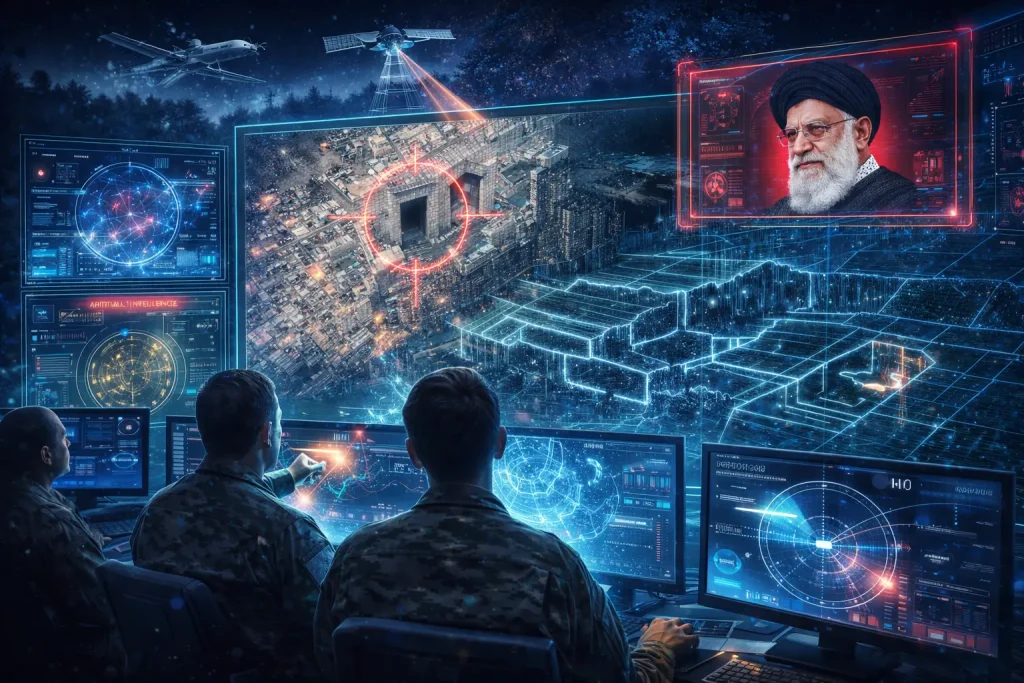
The domestic and international pieces work together. By cutting off internet access at home, the regime prevents evidence of its crackdowns from leaking out. By flooding the global internet with propaganda, it fills the vacuum with a different narrative. People outside Iran see a curated version of events, and without domestic voices to contradict it, the propaganda becomes the default understanding.
PaxPoint has covered how Irans real goal is not peace but buying time, and the digital dimension of that campaign is a central piece. This is not just an Iran problem. The techniques Iran has refined are being copied by other authoritarian governments. Russia used similar internet shutdowns during its invasion of Ukraine. Myanmar deployed them after the military coup. The playbook is spreading, and the tools for carrying it out are getting cheaper.
The countermeasure is straightforward but not easy. Supporting secure communication tools for people inside closed regimes, funding independent Persian-language journalism, and holding social media companies accountable for hosting state propaganda networks are all part of the response. PaxPoint examines how state actors manipulate information to achieve geopolitical goals, and the digital layer is becoming central to how those goals are pursued.