

Things feel manageable in the beginning. Fewer people, fewer tasks, less overlap. You kind of know what is happening without checking too much.
Then things grow. More projects, more teams, more moving parts. And suddenly, that clarity disappears. Not all at once, but slowly.
You start missing small updates. Someone forgets to pass information. Something gets delayed and no one notices early.
When people open something like https://www.theaccessgroup.com/en-us/construction/software/construction-erp/best-erp-for-construction-industry/, it usually comes from that moment. Not panic. Just a quiet realization that things are getting harder to track than before.
How tools bring clarity to operations
These tools don’t magically fix everything. That expectation usually fades quickly. What they do is pull things together. Instead of information being everywhere, it starts showing up in one place.
| Area | Without tools | With structured tools |
| Task tracking | Hard to follow | Easier to see in one place |
| Team updates | Often missed | More visible |
| Project visibility | Partial understanding | Better overall picture |
| Decisions | Based on guesswork | Based on available info |
Looks simple. Feels simple. But the effect is not small.
The balance between control and flexibility
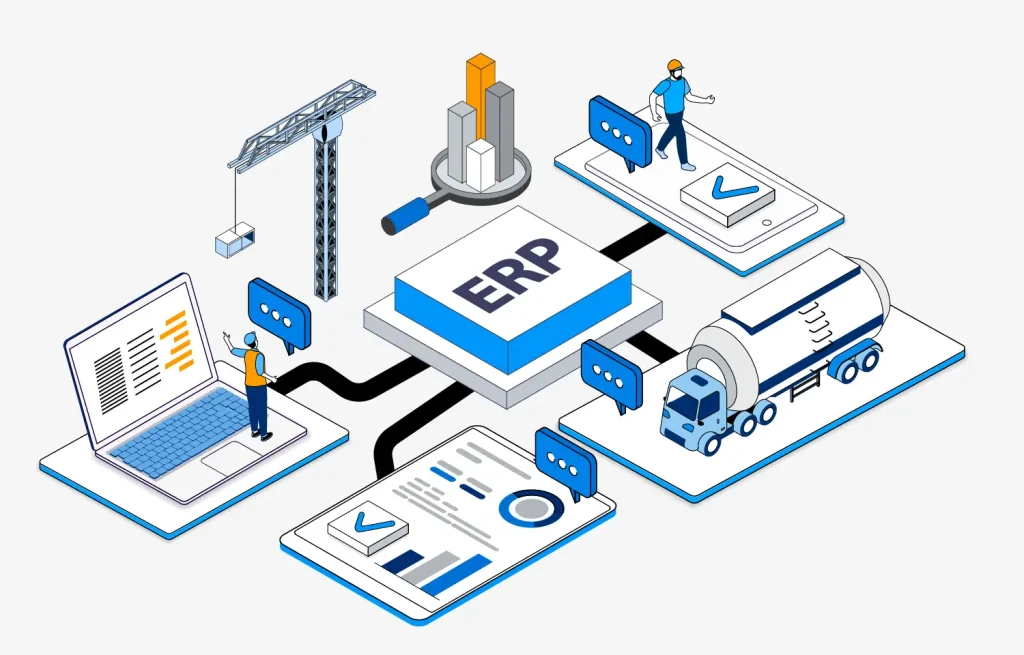
Too much structure feels restrictive. Too little feels chaotic.
Good tools try to sit somewhere in the middle, but it does not always feel perfect.
- There are clear steps to follow
- But teams can still adjust when needed
- Without breaking everything
Some people like that balance. Others feel it is still too controlled. Or not controlled enough. It really depends on how the team works.
Where teams struggle initially
The beginning is always awkward. No way around it. People forget to update things. Some don’t fully understand how to use the system. Others keep switching back to old methods.
So the tool is there, but not fully used. Which makes it feel like it is not helping much. That gap between having the system and actually using it properly it creates frustration.
How consistency builds over time
Then slowly, things start settling. Not suddenly. It just happens over time. People begin checking the system without thinking. Updates become part of daily work. It stops feeling like an extra step. And once that happens, things feel more stable. Not perfect. But better than before.
After spending time with something like https://www.theaccessgroup.com/en-us/construction/software/construction-erp/best-erp-for-construction-industry/, teams usually reach that stage eventually. Some faster. Some slower. But yeah it does come together. Just not in a clean straight line.